Design & Deployment
What to Review Before Freezing a Data Center MEP Design
Design freeze should close decisions, not hide unknowns.
Start with the decision
A meaningful MEP design freeze requires an agreed operating brief and resolved interfaces. Confirm IT load, rack distribution, growth phases, hardware temperatures, availability requirements and maintainability objectives. If these remain provisional, identify the allowable change envelope and who owns the commercial risk before releasing construction documents or equipment orders.
Map the engineering dependencies
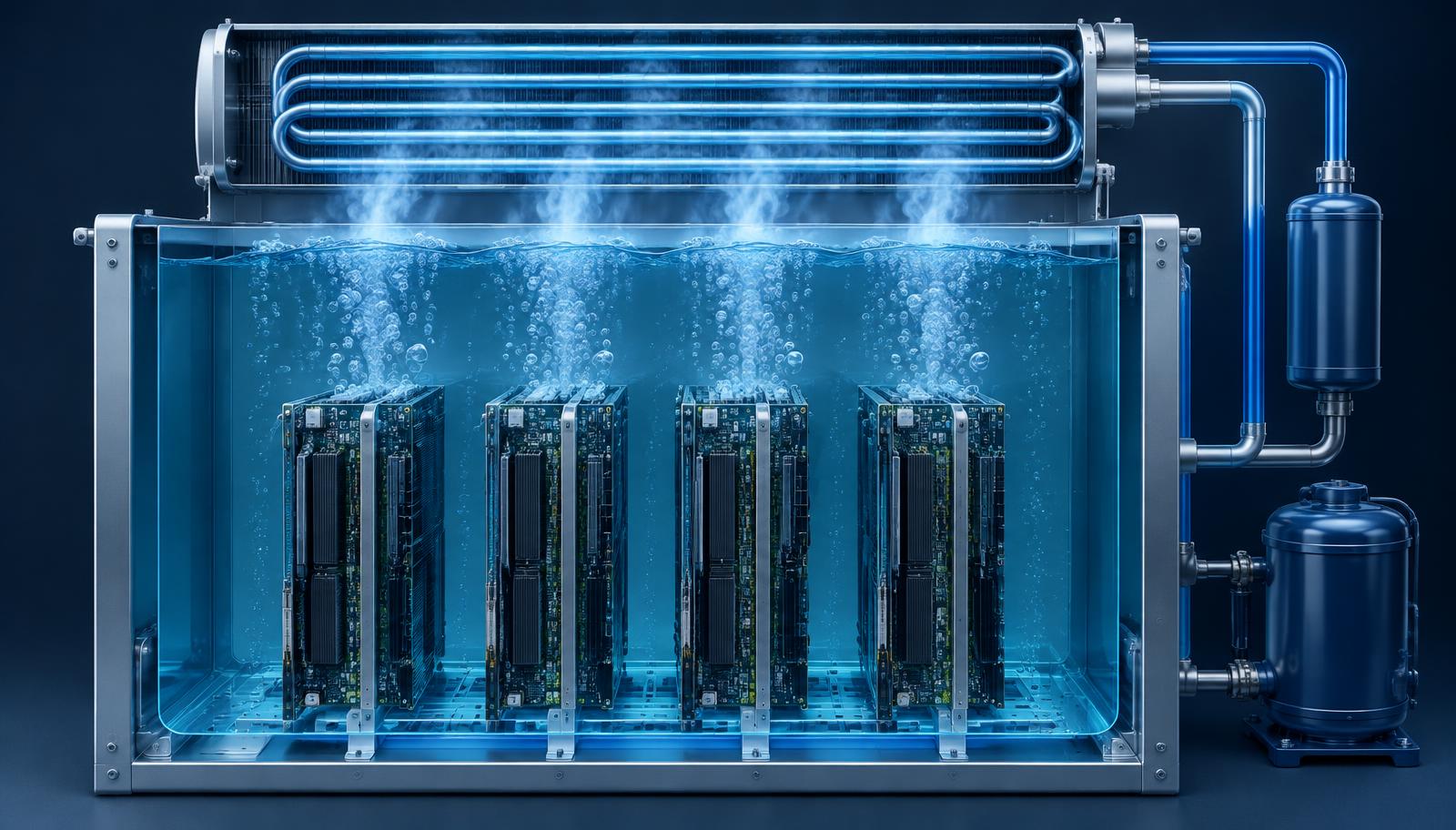
Review the power and thermal chains end to end. Test whether electrical capacity, cooling distribution, heat rejection and controls support normal operation, maintenance and defined failures. Examine shared dependencies such as power to pumps or common control systems. Equipment redundancy by itself is not proof that a facility meets its resilience objective.
- 01Define the operating brief
- 02Establish the baseline
- 03Compare feasible alternatives
- 04Validate key assumptions
- 05Approve the next decision
Compare the complete business case
Create an open-items register for utility assumptions, permits, vendor data, coordination gaps and commissioning requirements. Each item needs an owner, due date, consequence and decision authority. Independent review should prioritize high-consequence uncertainties rather than generating a long undifferentiated comment list. Changes after freeze need documented assessment of cost, reliability and schedule impacts.
A practical review checklist
- Confirm the operating brief, load assumptions and capacity phases.
- Review electrical and cooling interfaces under maintenance and failure.
- Close high-impact unknowns or agree a controlled change envelope.
- Approve a commissioning strategy and prioritized decision register.
Turn findings into an actionable deliverable
Record the baseline, alternatives and unresolved questions in a decision matrix. For each option, assign the evidence needed, the responsible specialist and the milestone affected. Distinguish screening-level estimates from validated design inputs so the owner can decide what to advance, what to defer and what needs further diligence.
Use this framework as general guidance, not a specification. Applicable codes, local utility conditions, qualified engineering studies and current hardware requirements govern the final project. Financial and schedule benefits must be substantiated against the actual baseline; neither a saving nor a deployment date is guaranteed.
This article is general engineering commentary. Final designs require project-specific engineering and appropriate professional review.
Sources & further reading
- U.S. Department of Energy — Best Practices Guide for Energy-Efficient Data Center Design (2024)
- Open Compute Project — Cooling Environments
This article explains general engineering principles and does not rely on proprietary data or measured project results. Formal citations for any externally derived figures are under editorial review before publication.
Request a Design Review
Discuss the inputs, constraints and decisions for your project. TIP can scope an independent assessment with actionable findings and clear validation requirements.