Heat Recovery
From Waste Heat to Useful Energy: Rethinking AI Infrastructure
How to turn computing heat into a useful output—and determine when heat recovery improves the economics of an AI facility.
Introduction
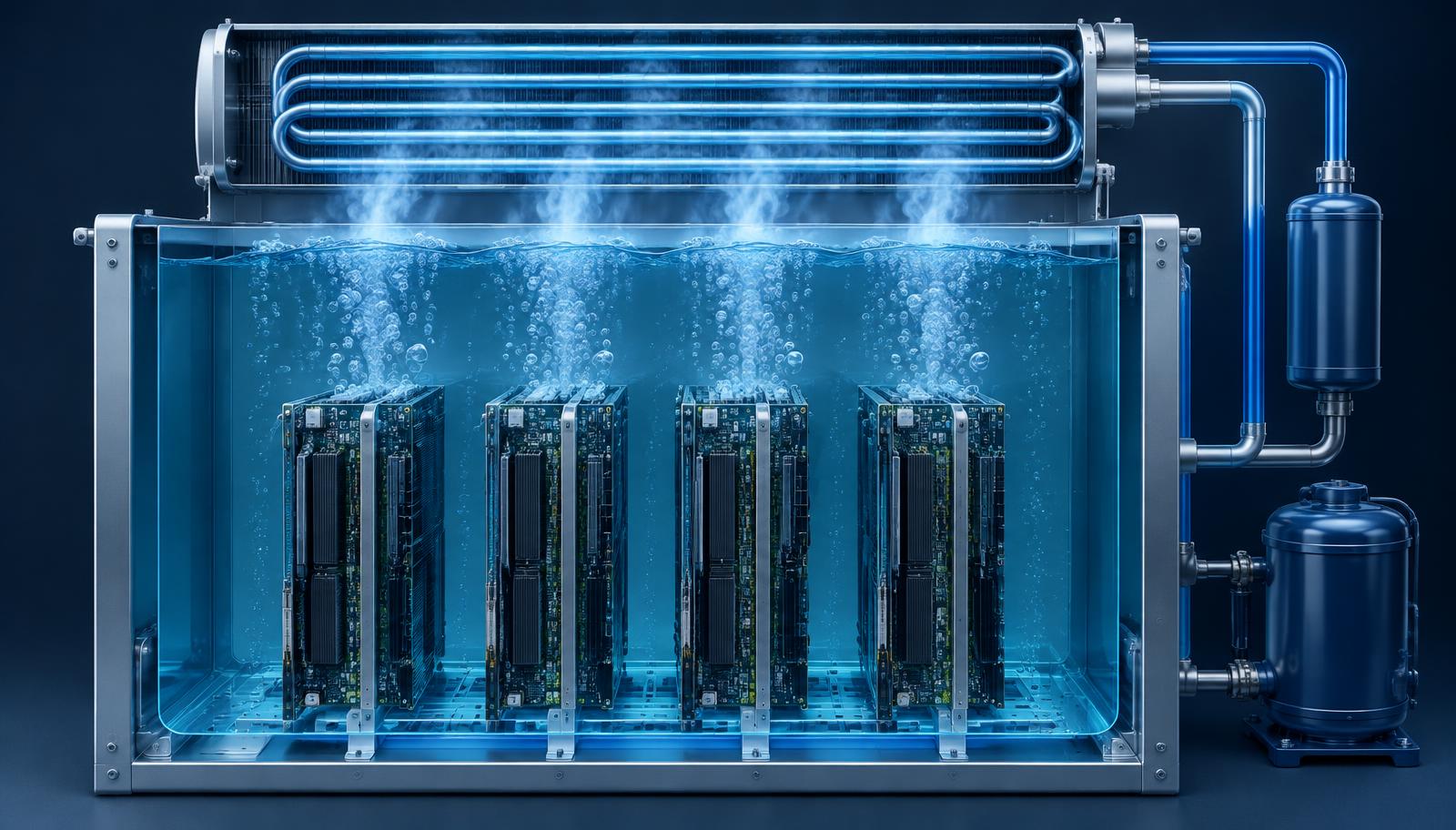
Electricity consumed by computing equipment ultimately becomes heat. In conventional data centers, this heat is removed to maintain safe operating conditions and is frequently rejected into the environment.
But heat that is rejected by one system may be useful to another.
Where a suitable heat customer exists, recovered heat can offset some conventional heating demand. Heat recovery does not create additional energy; it puts energy that has already been consumed to a second use. The commercial opportunity depends on the amount of heat available, its temperature, the customer’s demand profile, and the cost of delivering it.
Matching heat supply to demand
Potential heat users include residential buildings, hotels, hospitals, swimming pools, industrial hot-water processes, and district heating networks.
Their requirements differ substantially.
A pool may require relatively steady heating to maintain its target water temperature. An apartment building may have strong seasonal space-heating demand and year-round domestic-hot-water demand.
A nearby customer with a compatible temperature requirement can be more valuable than a distant customer with a larger theoretical heat demand.
Temperature determines usefulness
The amount of heat available is only part of the equation.
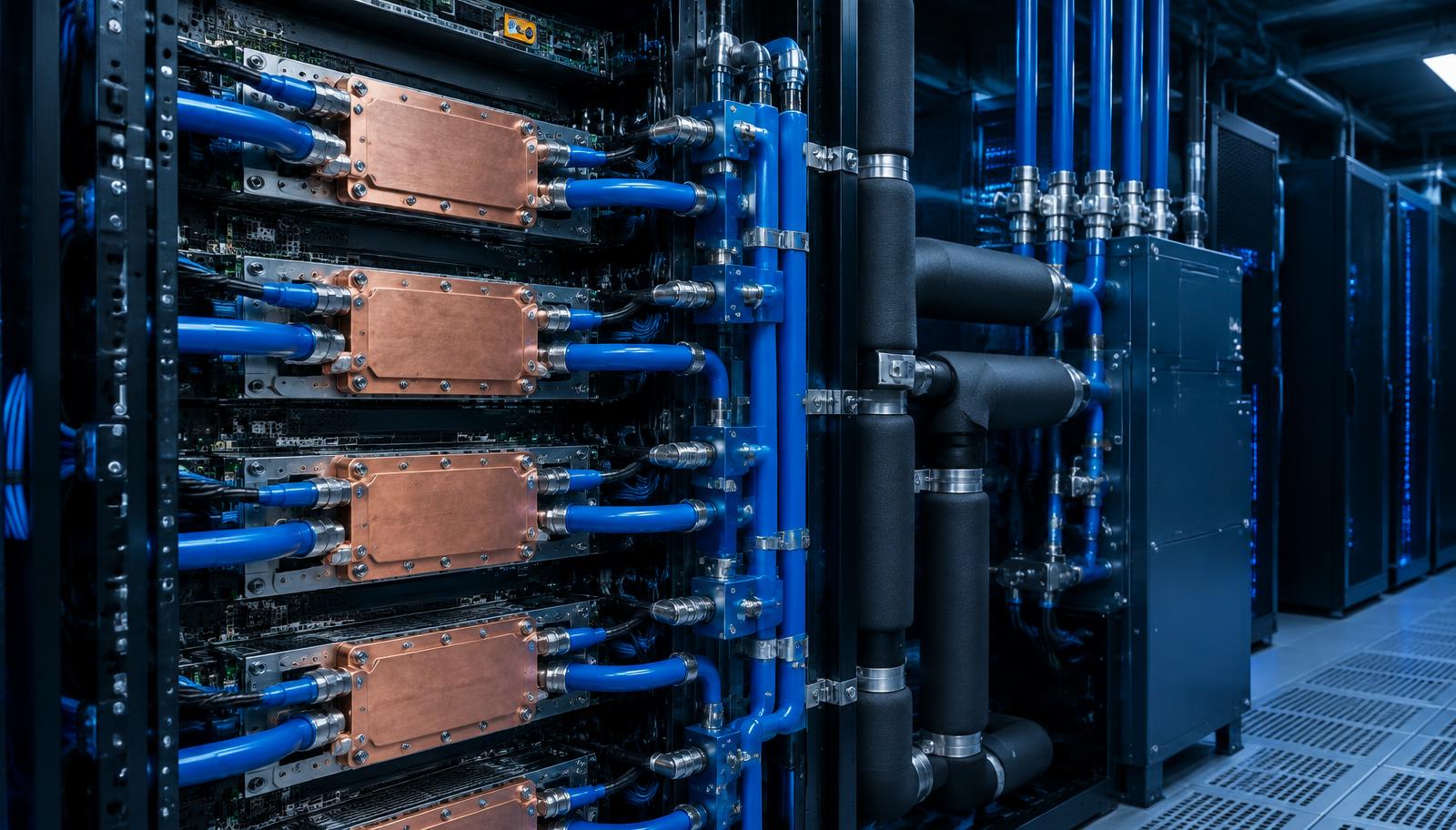
Low-temperature coolant may be useful for preheating water, but a higher-temperature application may require a heat pump.
- 01Compute load
- 02Facility coolant loop
- 03Heat pump (where required)
- 04Thermal storage
- 05Heat customer
A heat pump can deliver more thermal energy than the electricity it consumes by transferring additional heat from its source. However, its electricity consumption, performance at the required temperatures, and maintenance costs must be included in the economic assessment.
Thermal storage
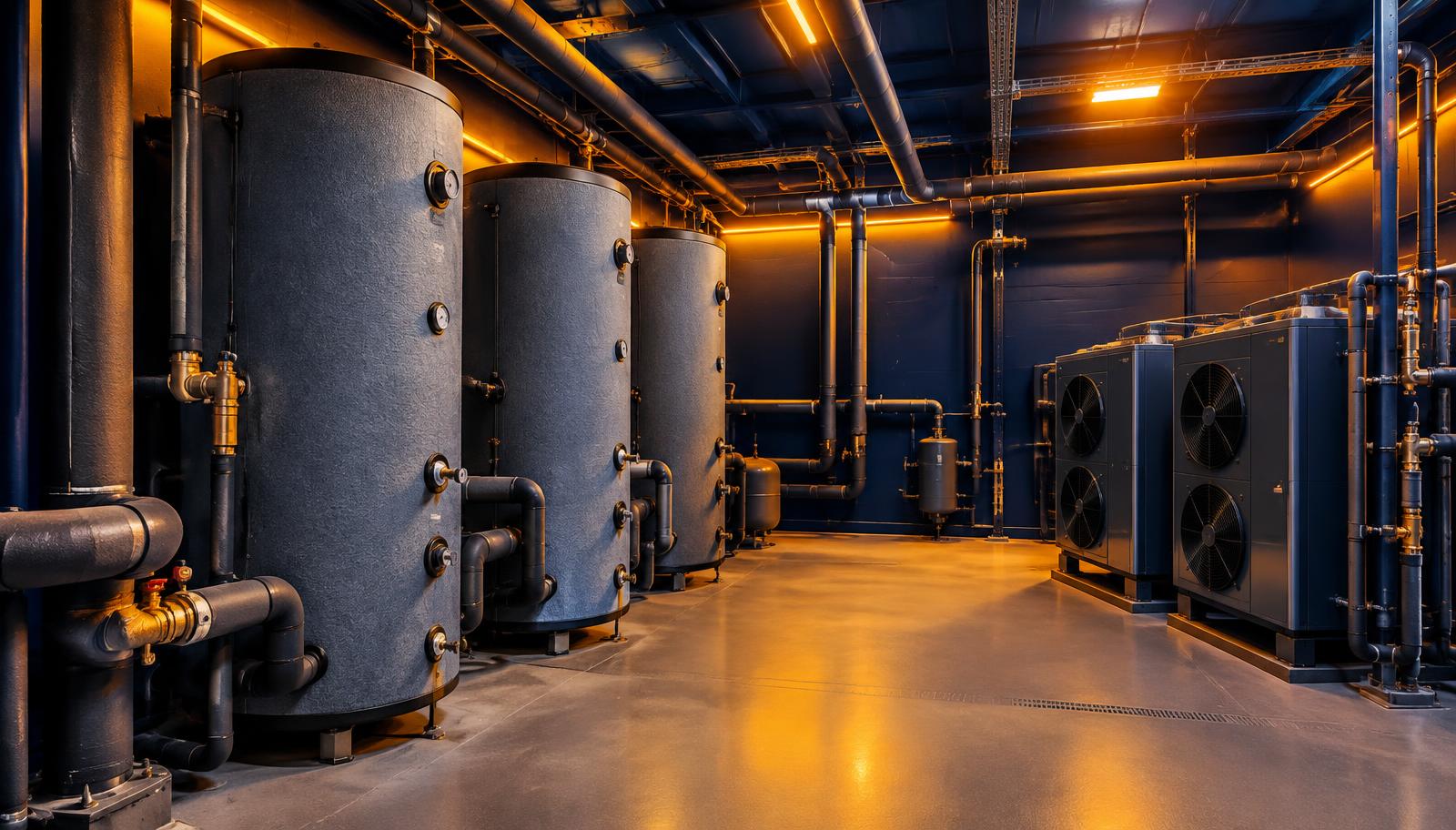
Insulated hot-water tanks can shift heat production and delivery over time.
Storage can help balance continuous computing output against changing heating demand, but it does not generate energy or eliminate the need for backup heat.
Short-duration storage is generally easier to justify than assuming that an ordinary insulated tank will retain useful heat economically over an entire season.
Long-duration or seasonal storage requires a separate technical and economic assessment.
A useful economic model
The business case should quantify:
- Compute electricity consumption.
- Compute revenue and utilization.
- Heat recovered at the facility boundary.
- Heat actually delivered to the customer.
- Heat pump and circulation energy.
- Avoided conventional heating costs.
- Thermal storage losses.
- Equipment capital and maintenance.
- Backup cooling and heating.
- Seasonal variation and equipment lifetime.
The value of heat should be calculated from the customer’s actual avoided energy cost, not from a theoretical thermal output alone.
Conclusion
Compute heat recovery is most attractive when computing already makes commercial sense and the recovered heat displaces an existing, relatively expensive heating requirement.
This article is general engineering commentary. Final designs require project-specific engineering and appropriate professional review.
Sources & further reading
This article explains general engineering principles and does not rely on proprietary data or measured project results. Formal citations for any externally derived figures are under editorial review before publication.
Explore a Compute Heat-Recovery Assessment
Have a potential heat customer near a planned or existing facility? We can assess temperatures, demand profiles, storage and delivery costs to test whether recovery improves the economics.