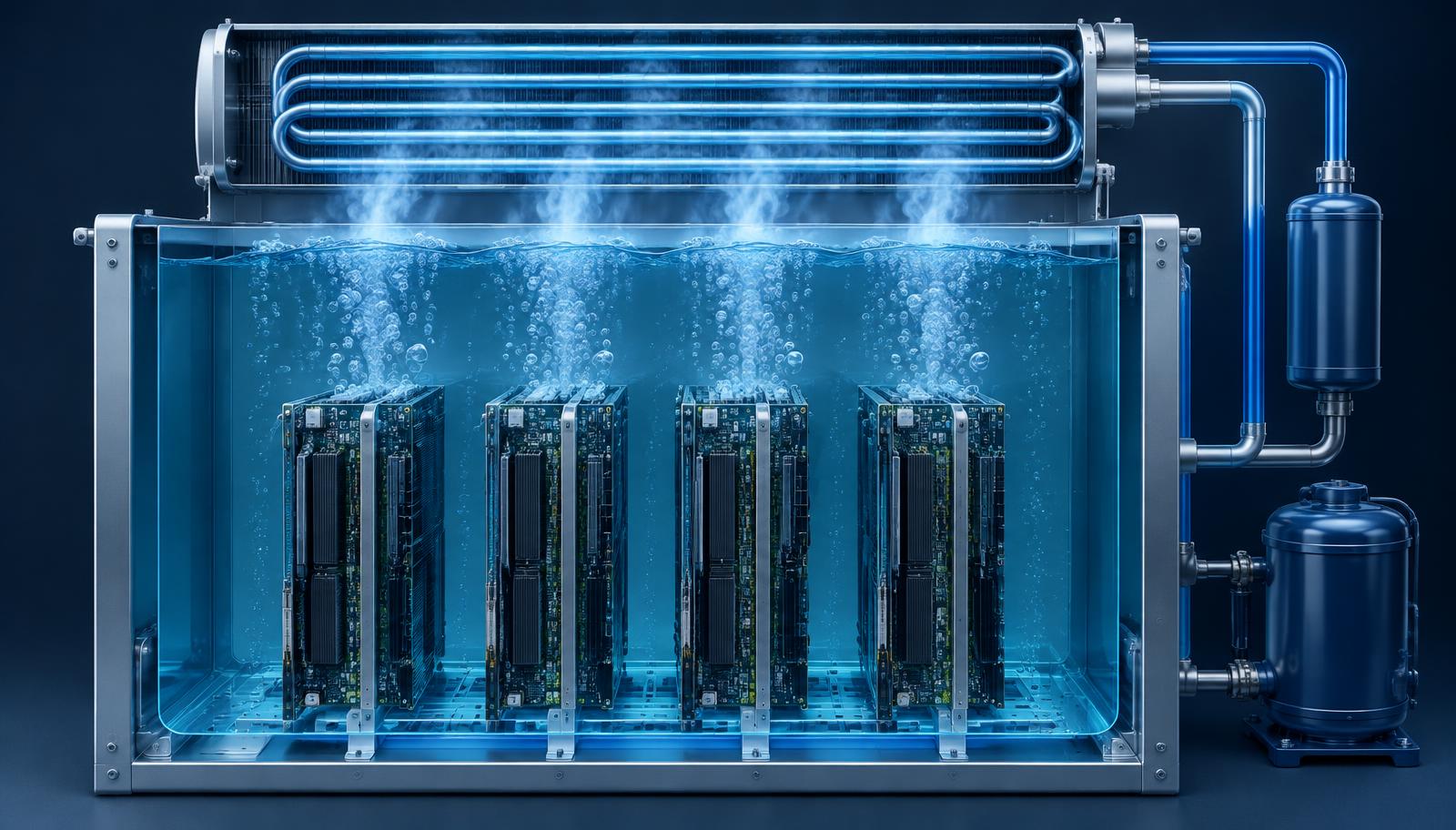
Liquid Cooling
Air Cooling vs. Direct-to-Chip Liquid Cooling: How to Choose for Your AI Data Center
Start with the server, not the cooling product.
Start with the decision
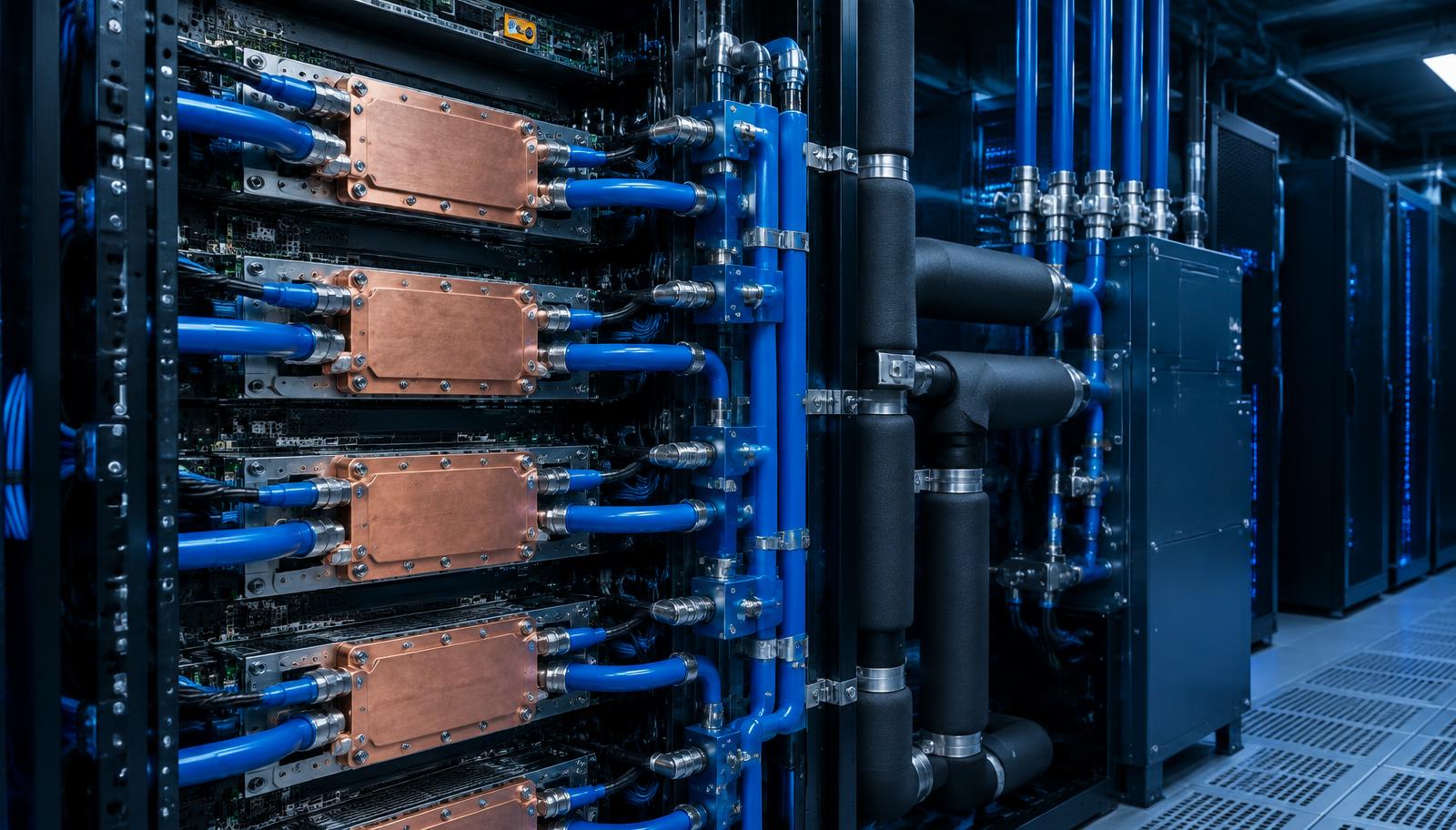
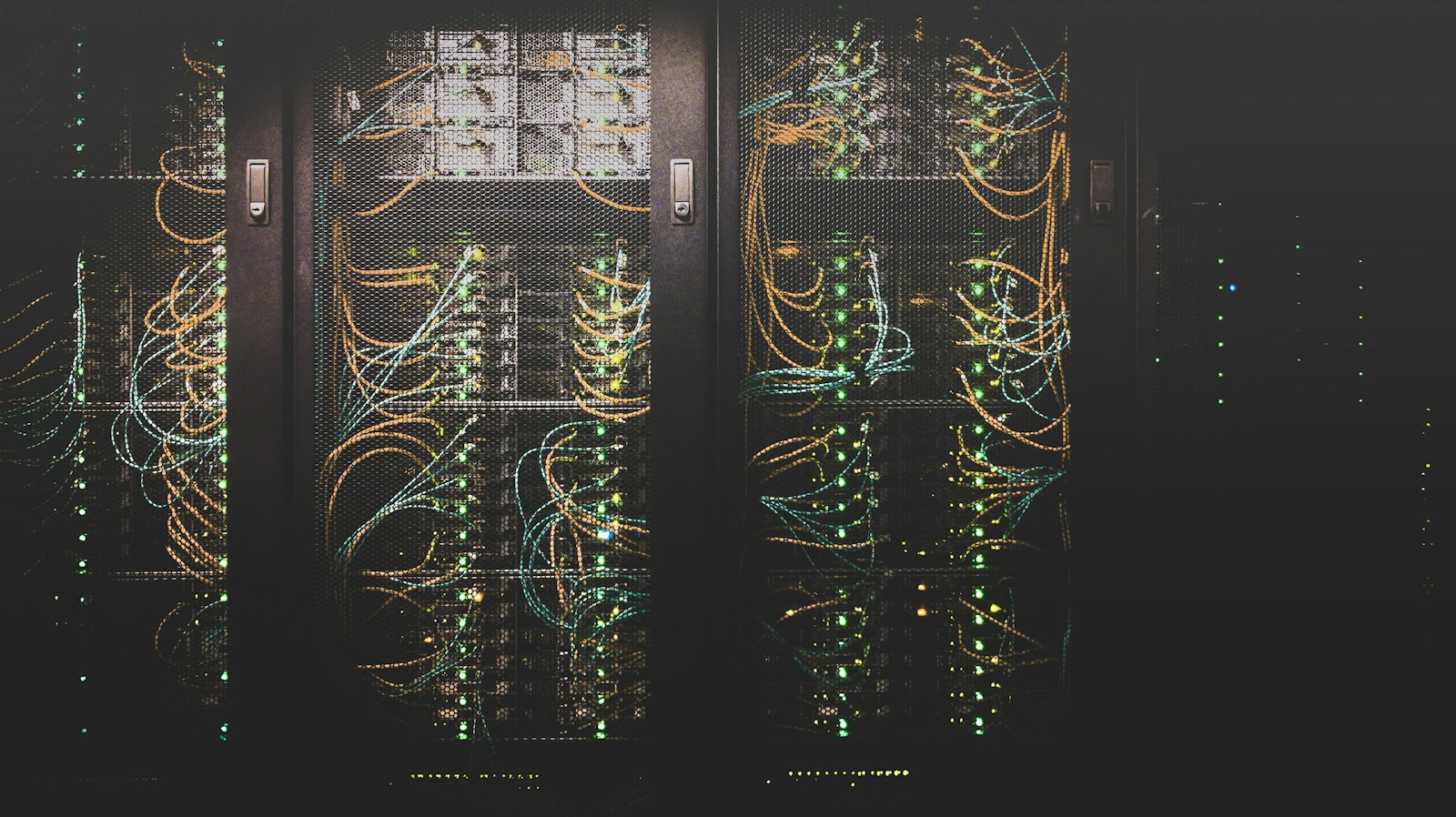
Air-cooled systems transfer component heat into an air stream; direct-to-chip systems capture heat through cold plates connected to a coolant loop. Neither architecture has a universal rack-density threshold that can safely replace the hardware supplier’s requirements. Obtain the server heat split, allowable inlet conditions and expected load profile before assessing facility options.
Map the engineering dependencies
A liquid-cooled server can still reject residual heat into the room from memory, storage, power supplies or other components. The facility must handle both streams. Compare air containment, fan power and available floor space against CDU capacity, coolant quality, pipe routes and heat rejection. A retrofit may be constrained more by distribution space or plant capacity than by cold-plate performance.
- 01Define the operating brief
- 02Establish the baseline
- 03Compare feasible alternatives
- 04Validate key assumptions
- 05Approve the next decision
Compare the complete business case
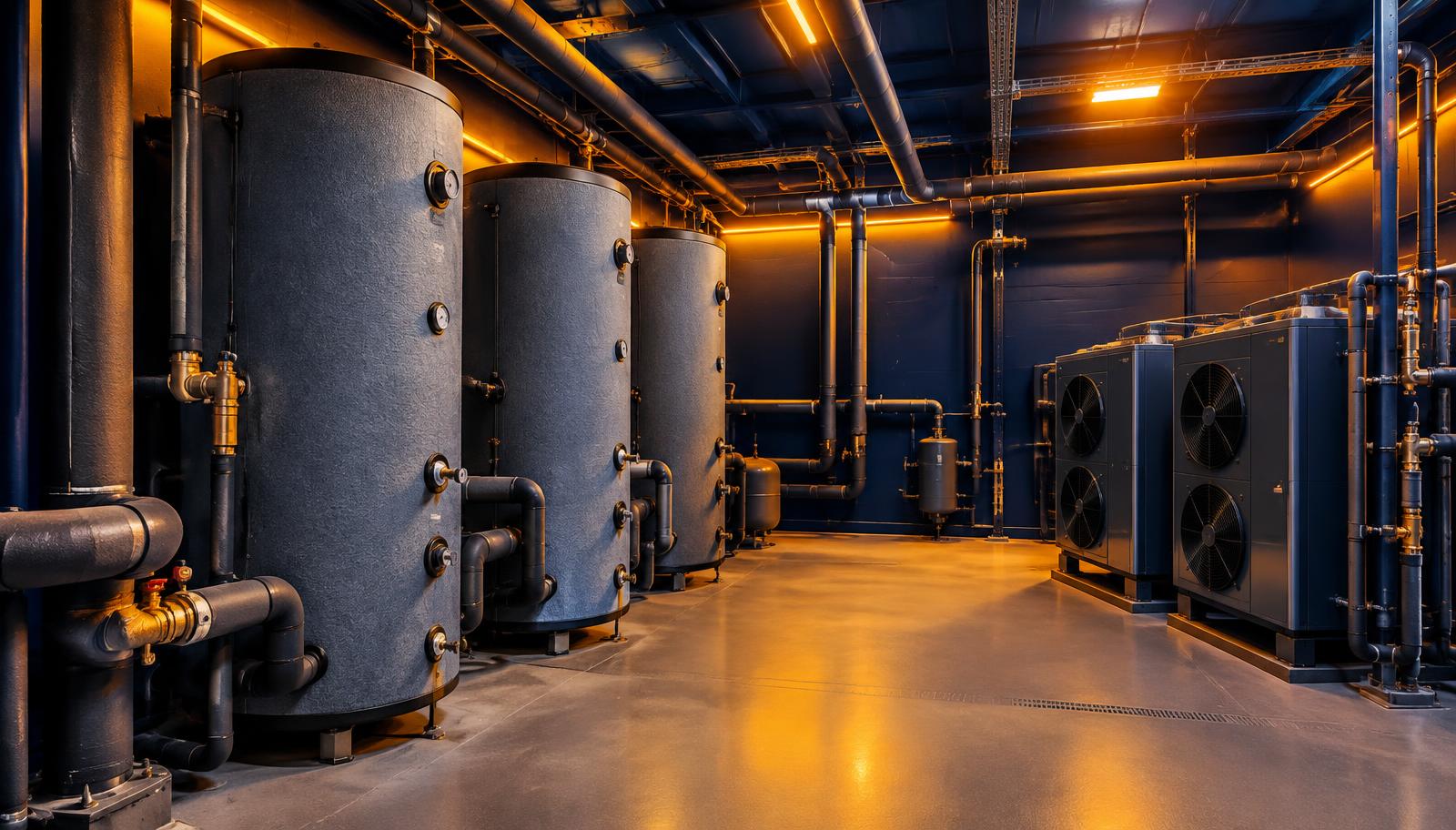
A warm-water loop may reduce refrigeration requirements where hardware limits, heat exchanger approach temperatures and climate allow. It does not guarantee chiller-free operation. Evaluate the hottest credible operating condition and failure scenarios alongside normal operation. Hybrid arrangements can accommodate mixed hardware but require coordinated controls, commissioning and maintenance.
A practical review checklist
- Obtain vendor temperature, flow, pressure and coolant requirements.
- Model full, partial and phased IT load; include residual air heat.
- Compare installed cost, energy, water, maintainability and failure isolation.
- Confirm commissioning procedures and future hardware compatibility.
Turn findings into an actionable deliverable
Record the baseline, alternatives and unresolved questions in a decision matrix. For each option, assign the evidence needed, the responsible specialist and the milestone affected. Distinguish screening-level estimates from validated design inputs so the owner can decide what to advance, what to defer and what needs further diligence.
Use this framework as general guidance, not a specification. Applicable codes, local utility conditions, qualified engineering studies and current hardware requirements govern the final project. Financial and schedule benefits must be substantiated against the actual baseline; neither a saving nor a deployment date is guaranteed.
This article is general engineering commentary. Final designs require project-specific engineering and appropriate professional review.
Sources & further reading
- U.S. Department of Energy — Best Practices Guide for Energy-Efficient Data Center Design (2024)
- Open Compute Project — Cooling Environments
This article explains general engineering principles and does not rely on proprietary data or measured project results. Formal citations for any externally derived figures are under editorial review before publication.
Compare Cooling Options
Discuss the inputs, constraints and decisions for your project. TIP can scope an independent assessment with actionable findings and clear validation requirements.