Energy Integration
Wave-Powered AI: Integrating Energy, Compute and Thermal Systems
A feasibility framework for emerging offshore computing concepts that combine marine energy generation with AI infrastructure.
Introduction
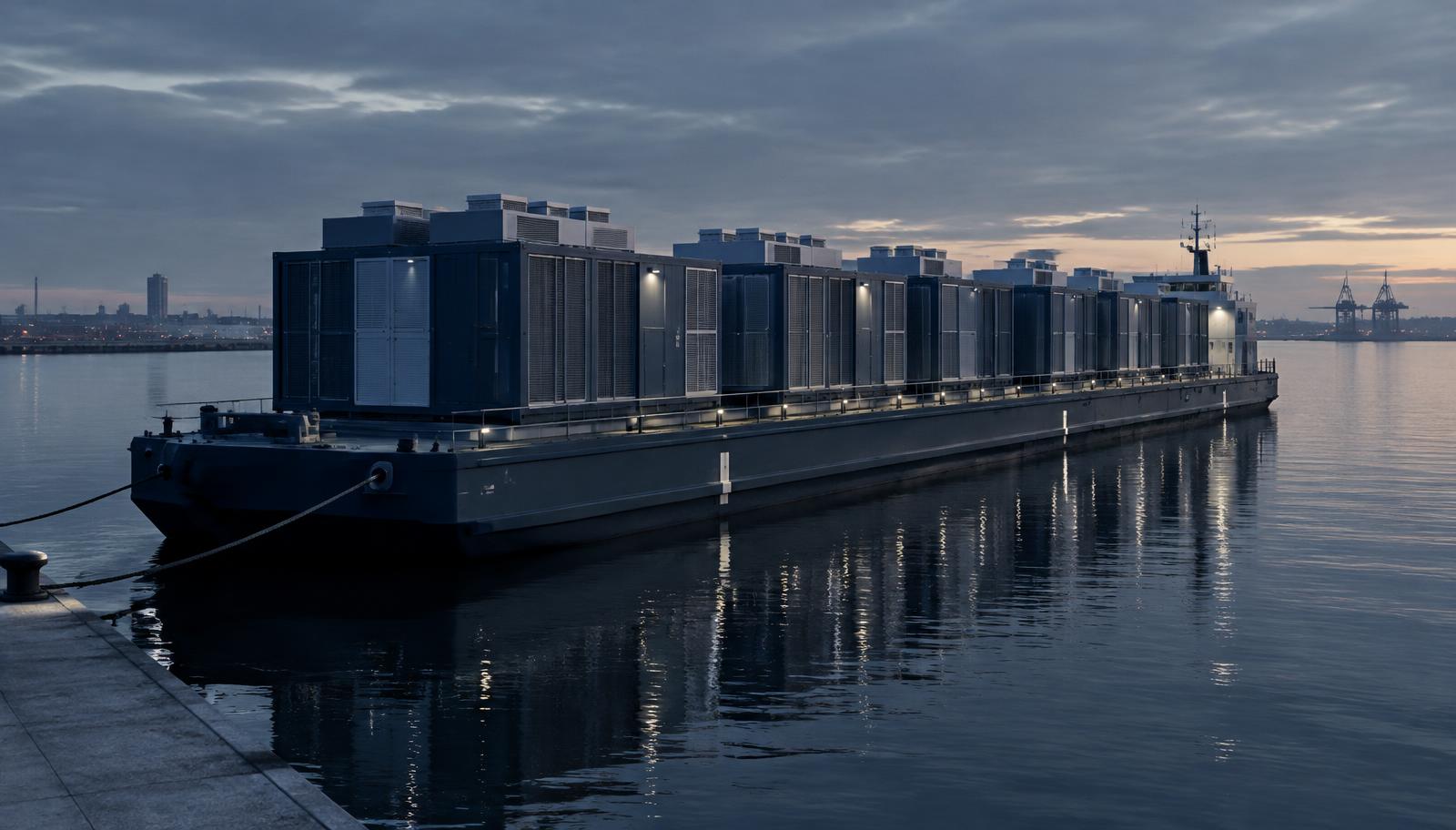
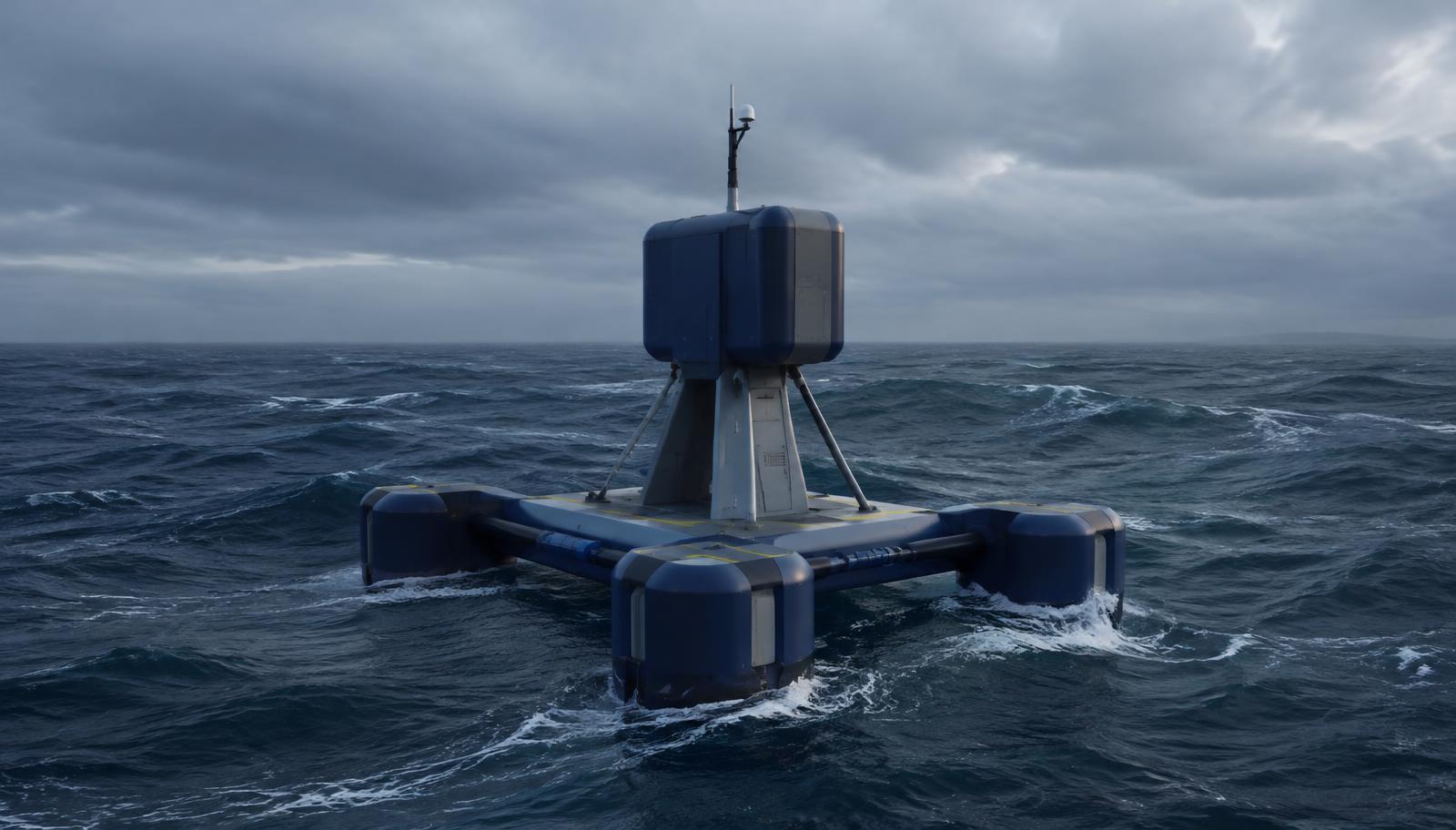
Wave-powered computing concepts seek to combine ocean energy conversion with onboard computing infrastructure. These remain emerging, largely pre-commercial concepts.
The appeal is clear: ocean-based generation and offshore computing could potentially be integrated into a shared platform, with thermal management designed around the marine environment.
However, variable energy generation, offshore maintenance, power conditioning, computing reliability, and data connectivity create substantial engineering challenges.
The integrated system
A wave-powered computing platform may include:
- Wave-energy conversion equipment.
- Power conditioning and distribution.
- Energy storage or backup generation.
- AI computing modules.
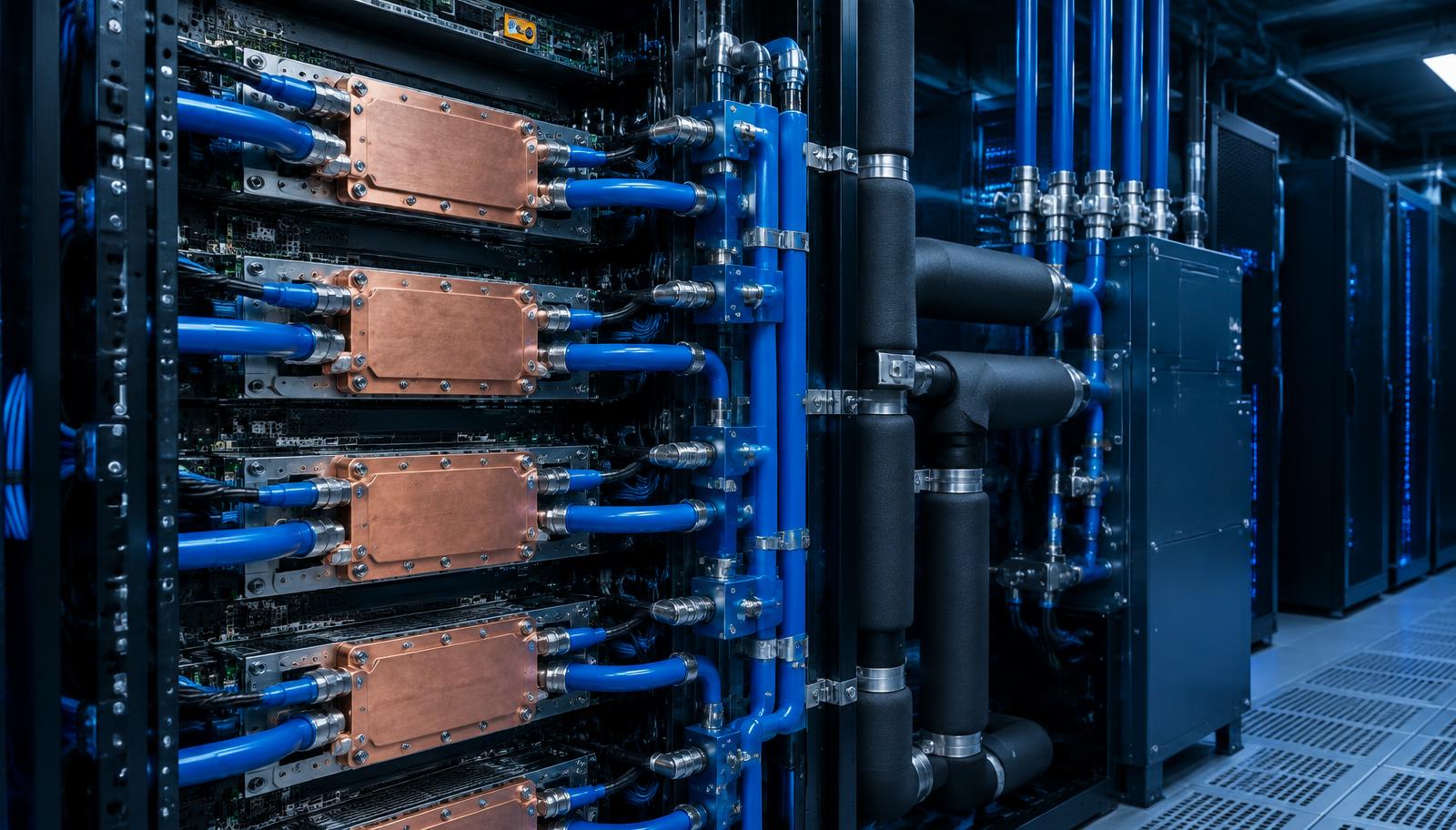
- Cooling and heat-rejection equipment.
- Communications infrastructure.
- Monitoring and control systems.
- 01Wave resource
- 02Energy conversion
- 03Power conditioning and storage
- 04Compute workload
- 05Offshore heat rejection
Each subsystem affects the others. The available wave resource influences power generation, which affects computing capacity and workload scheduling. Computing creates heat, which must be rejected reliably even when power generation varies.
Energy variability
Wave-energy output depends on local conditions and can vary significantly over time.
A commercially viable design must compare expected generation profiles against the electrical demand of the computing workload.
Energy storage, backup power, grid connections, or flexible workload scheduling may be necessary to maintain service availability.
Storage capacity should be based on modeled generation and demand rather than assumed to make the system continuously self-sufficient.
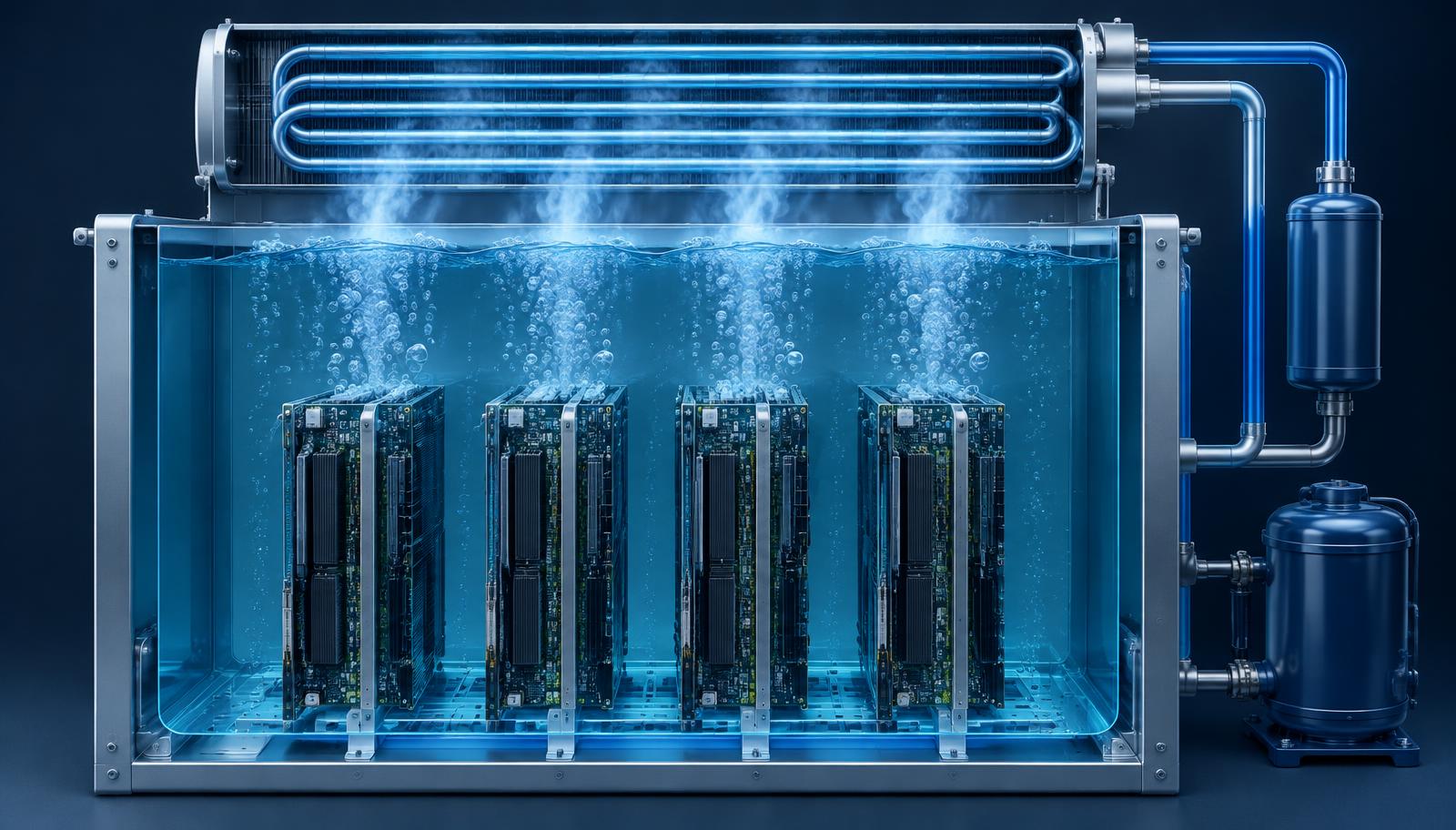
Thermal management offshore
Computing equipment requires reliable cooling under changing environmental and operating conditions.
Seawater heat exchangers may be suitable in some locations, but their performance depends on intake temperature, flow, fouling, corrosion, and environmental constraints.
The cooling system must also remain safe during maintenance, reduced power availability, and other operating contingencies.
The commercial question
Wave-powered computing should be evaluated against alternative uses of the same infrastructure and energy resource.
Relevant metrics include delivered electricity cost, compute utilization, cooling energy, energy storage requirements, maintenance costs, communications availability, and equipment lifetime.
The feasibility of wave energy alone does not establish the viability of an offshore data center.
Conclusion
Wave-powered AI infrastructure is an emerging engineering opportunity, but it requires integrated analysis of energy, computing, thermal management, and marine operations.
This article is general engineering commentary. Final designs require project-specific engineering and appropriate professional review.
Sources & further reading
This article explains general engineering principles and does not rely on proprietary data or measured project results. Formal citations for any externally derived figures are under editorial review before publication.
Evaluate a Wave-Powered Compute Concept
Exploring marine energy for offshore compute? We can help structure a feasibility study that tests generation, storage, workload and thermal assumptions together.